_edited_edited.jpg)
Osteopathy for Babies: Supporting Your Baby's Comfort, Movement and Development

Many parents choose to bring their baby in for an osteopathic assessment during the first weeks or months of life. Some are seeking support for a specific concern, while others simply want reassurance that their baby is moving, feeding and developing well.
Pregnancy and birth can place physical demands on a baby's body. Whether your baby was born vaginally or via caesarean section, after a long labour or a very quick one, these experiences can sometimes influence how they move, settle and interact with their environment as they grow.
Osteopathic treatment for babies is gentle, safe and tailored to each child's individual needs. At Wagga Osteopathy, our osteopaths who work with babies and young children have completed additional paediatric training and continue to undertake ongoing education to ensure they provide safe, evidence informed care.
Why do parents bring their babies to see an osteopath?
Every baby is different, but some of the more common reasons parents seek osteopathic care include:
Difficulty sleeping or settling
Reflux and frequent vomiting
Wind, hiccups and digestive discomfort
Constipation or straining during bowel movements
Difficulty latching or feeding
A preference for turning the head to one side
Torticollis
Flat head syndrome (plagiocephaly)
Excessive crying or irritability
Support with tummy time, rolling and crawling
Following a difficult or assisted birth
Through a thorough assessment and gentle hands on treatment, osteopaths aim to improve mobility, reduce areas of tension and support healthy movement and development.
Common concerns we see

Some babies struggle to fall asleep, wake frequently throughout the night or only sleep for short periods at a time. During an assessment, we consider factors that may be affecting your baby's comfort and ability to settle, helping us determine whether osteopathic treatment may be beneficial.

Reflux is a common reason babies are brought to our clinic. While reflux can occur for many reasons, some babies may have restrictions through areas involved in digestion and feeding that contribute to discomfort during or after feeds. Treatment is always tailored to your baby's individual presentation.

Feeding challenges can be stressful for both babies and parents. Some babies struggle to latch comfortably, feed better on one side than the other, or seem unsettled during feeds. A gentle assessment can help identify whether movement restrictions through the neck, jaw or surrounding structures may be contributing to these difficulties.

Symptoms such as constipation, straining, excessive wind and discomfort before bowel movements are common in babies. A thorough assessment helps us understand what may be contributing to your baby's symptoms so treatment can be tailored accordingly.
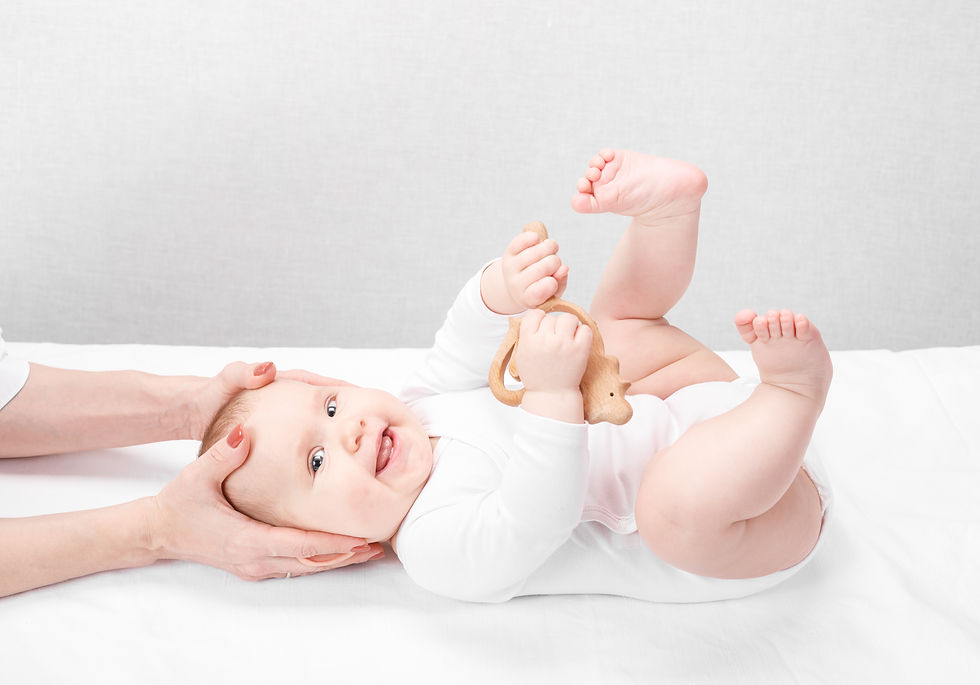
Some babies develop a flat area on one side of their head because they consistently prefer looking in one direction. Osteopaths assess the reasons behind this preference and work to improve comfort and movement, often alongside positioning advice to help reduce ongoing pressure on the affected area.

Torticollis occurs when a baby has difficulty turning their head equally in both directions or tends to hold their head tilted to one side. Early assessment may help support improved neck mobility and more balanced movement patterns.

Some babies appear uncomfortable for long periods, become distressed after feeds or struggle to settle despite their parents' best efforts. By looking at your baby's feeding, movement and comfort, we can help identify factors that may be contributing to their unsettled behaviour.

Some parents choose to have their baby assessed following a forceps or vacuum delivery, caesarean birth, prolonged labour, very fast birth or any birth experience that felt particularly challenging. Even when a baby appears well, an assessment can provide reassurance and identify any areas that may benefit from support.

Some babies may seem less comfortable moving freely, prefer certain positions, or not move both arms and legs equally when lying on their back. During an assessment, we look at your baby’s muscle tone, joint mobility and overall movement to identify whether areas of tension or restriction may be affecting their comfort and physical development.
What happens during a baby osteopathy appointment?
We understand that bringing your baby to see a healthcare practitioner can feel a little daunting, especially if it is your first time. Our goal is to create a calm, supportive environment where both you and your baby feel comfortable.
A thorough case history
We will discuss your pregnancy, birth experience, your baby's medical history, feeding, sleep, development and any concerns you may have. This helps us build a complete picture of your baby's health and wellbeing.
A gentle assessment
Your osteopath will observe your baby's movement, posture, growth and development before performing a gentle hands on assessment.
Individualised treatment
Treatment is tailored to your baby's age, presentation and comfort level. Many babies are so relaxed during treatment that they sleep through part or all of their session.
Advice and support
We will explain our findings and provide personalised advice where appropriate. This may include feeding considerations, positioning strategies, developmental support or practical tips to use at home.
Frequently Asked Questions
Does my baby need a referral?
No referral is required. If your baby has already seen another healthcare professional, feel free to bring along any reports or test results to your appointment.
Is osteopathic treatment safe for babies?
Yes. When provided by an osteopath with additional training and experience in paediatric care, treatment is gentle, age appropriate and designed specifically for babies and young children.
How do osteopaths treat babies?
Treatment may include gentle movement techniques, soft tissue work and indirect hands on approaches designed to support comfort, mobility and development.
How many treatments will my baby need?
This depends on your baby's individual presentation and goals. Some babies improve within one or two visits, while others may benefit from ongoing support over a longer period.
Could my baby react after treatment?
Many babies seem relaxed and sleep well following treatment. Others may be more alert or tired than usual for a short period. Occasionally, babies may seem temporarily unsettled before settling again.
What age can my baby see an osteopath?
Babies can be assessed at any age, including in the early weeks after birth. Some parents attend for reassurance, while others seek care for a specific concern.
Do osteopaths work with other healthcare professionals?
Absolutely. We regularly work alongside paediatricians, maternal and child health nurses, lactation consultants, physiotherapists, speech pathologists and other healthcare professionals to ensure your baby receives the support they need.
Ready to learn more?
If you have concerns about your baby's comfort, movement, feeding or development, or you would simply like reassurance that everything is progressing well, we'd love to help. Book an appointment with one of our experienced osteopaths for a comprehensive assessment and personalised care.

